
Last Updated: October 25, 2026
Quick Summary
Emergency septic tank service typically costs significantly more than routine maintenance because it involves after-hours availability, rapid response times, and the complexity of diagnosing and fixing problems under pressure. The price depends on tank size, system accessibility, time of day, and backup severity.
- Night and weekend emergency calls add 50% to 100% above standard rates compared to daytime service
- A full system inspection should identify whether pumping alone fixes the problem or additional repairs are needed
- Hard-to-reach tanks under decks, sheds, or in rocky soil require extra labor and cost more to pump
- Sewage backups stem from three causes: full tank, blocked line, or failed drain field, each requiring different fixes
- Stop using water immediately during a backup to minimize damage and give the technician a clearer picture
Table of Contents
- What Emergency Septic Tank Service Costs and Why It Varies
- Septic Emergency Signs That Require Immediate Action
- Emergency Septic Pumping Cost Breakdown
- Septic Tank Backup Repair Cost and When Pumping Alone Won’t Fix It
- Factors That Affect Your Emergency Service Quote
- Questions to Ask a Septic Contractor Before Hiring
- What to Do Before the Technician Arrives
- Getting Your Emergency Service Quote and Next Steps
- Frequently Asked Questions
What Emergency Septic Tank Service Costs and Why It Varies
When your septic system fails at midnight on a Sunday, the cost of emergency septic tank service isn’t your first concern, but it should be your second.
The price you’ll pay depends on several factors working together: tank size, how accessible your system is, the time of day you call, and how severe the backup or overflow has become. A straightforward emergency pumping on a Tuesday afternoon looks nothing like a Saturday night excavation to repair a collapsed drain field.
This guide walks you through the real costs, the factors that change your quote, and what questions to ask before hiring a contractor.
Septic Emergency Signs That Require Immediate Action
Recognizing a genuine emergency versus a maintenance issue saves you money and prevents catastrophic damage to your property.
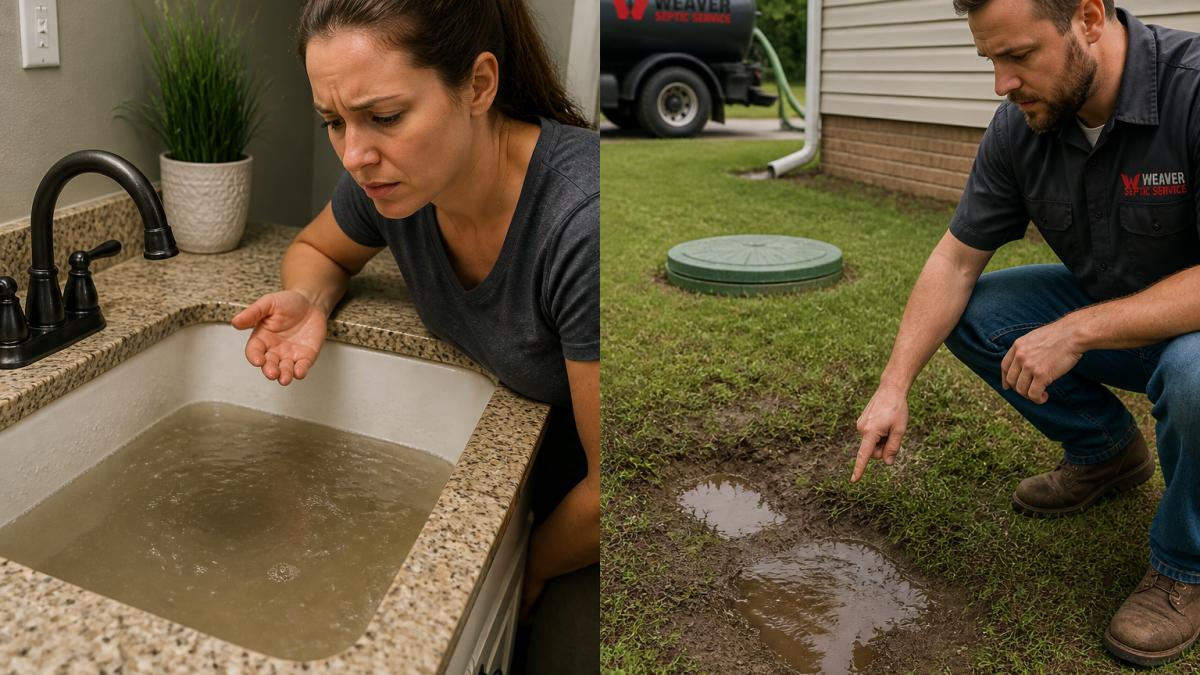
Signs that demand emergency service include sewage backing up into your home through drains, toilets, or showers. This isn’t a slow drain, it’s raw sewage flowing backward into your living space.
Some situations feel urgent but aren’t. A single slow drain, minor odors that come and go, or gurgling sounds in pipes often indicate a blockage or vent issue, not a system failure.
When you see sewage pooling, smell raw sewage around your property, or have multiple drains backing up, call immediately. Learn more about how often to pump your septic tank to understand how regular maintenance prevents these emergencies from happening in the first place.
Emergency Septic Pumping Cost Breakdown
Emergency septic pumping, the most common emergency call, involves more than just removing waste from your tank.
The cost breakdown typically includes a service call fee for after-hours availability, the pumping labor and equipment, waste disposal fees, and any diagnostic work. Many providers charge a base emergency fee just to send a truck outside normal business hours.
If the pump-out reveals a deeper problem, a blocked main line, a failed drain field, or a damaged tank, you’ll learn about additional repair costs during the initial assessment. This is where understanding what emergency service covers becomes critical.
Many homeowners assume emergency pumping will fix their backup. Sometimes it does. If the tank simply filled faster than it could drain, pumping restores function immediately.
Septic Tank Backup Repair Cost and When Pumping Alone Won’t Fix It
A sewage backup signals one of several possible failures, and the fix depends on which one.
Tank backups fall into three categories: the tank is full and needs pumping, a line between the tank and drain field is blocked, or the drain field itself has failed. Pumping addresses the first scenario. If the tank was genuinely full and draining normally, pumping restores the system immediately. You’ll pay for the emergency service and the pump-out, typically the lowest-cost emergency outcome.
A blocked line between the tank and drain field prevents waste from leaving the tank, causing it to back up into your home even if the tank isn’t full.
A failed drain field means the soil can no longer absorb treated effluent from the tank. This is the most expensive emergency outcome. Explore septic system installation options if your contractor determines your drain field has failed beyond repair.
The key insight: emergency service should include a thorough inspection to identify which scenario you’re facing.
Factors That Affect Your Emergency Service Quote
Your final bill depends on specific conditions at your property. Understanding these factors helps you anticipate costs and compare quotes fairly.
Tank Size and Capacity
Larger tanks require more time and equipment to pump. A 1,000-gallon residential tank pumps faster than a 2,500-gallon system. Commercial tanks or aerobic systems are larger still and command higher fees. Tank size also affects how often you need pumping during normal operation, larger tanks fill more slowly, so emergencies may indicate a more serious underlying problem than a simple overfill.
When you call for emergency service, tell the contractor your tank size if you know it. If you don’t, the technician will determine it on-site, which takes time. Knowing your tank size beforehand speeds the assessment and can lower costs slightly by reducing diagnostic time.
Accessibility and Pumping Location
A tank buried ten feet from your driveway with clear access costs less to pump than one under a deck, behind a shed, or in rocky soil. Contractors charge extra when they must excavate to reach the tank lid, move obstacles, or work in difficult terrain. If your tank is in a tight space or under structures, emergency service costs more because the technician needs specialized equipment or additional labor.
Some rural properties have tanks in remote locations, far from the main building. Distance from the truck to the tank adds time and labor cost. If your tank is hard to access, mention this when requesting a quote, it directly affects pricing.
After-Hours and Emergency Surcharges
Calling at 2 a.m. on a Sunday costs more than calling at 9 a.m. on a Tuesday. Emergency surcharges reflect the contractor’s need to have staff on call, available to respond immediately. Night and weekend calls typically add 50% to 100% above standard rates. Holidays carry even higher premiums.
The timing of your call dramatically changes the total cost. If your backup occurs during business hours on a weekday, your bill will be substantially lower than the same service on a holiday weekend. Some contractors offer tiered pricing: evening calls (after 5 p.m. or before 8 a.m.) cost more than daytime, and weekend or holiday calls cost most.
Severity of Backup or Overflow
A minor backup contained to one drain costs less to address than sewage surfacing throughout your yard. Overflow situations require cleanup, disinfection, and sometimes soil remediation, all of which add to the bill. If sewage has contaminated your yard, well, or neighboring properties, liability and remediation costs increase substantially.
The contractor will assess severity on arrival and may quote additional services beyond the initial pump-out. Overflow cleanup, soil treatment, or drain field inspection all add cost. Knowing the extent of the problem helps you prepare for the final bill.
Several property and timing factors directly influence what you’ll pay for emergency septic service.
| Factor | Impact on Cost | Details |
|---|---|---|
| Tank size | Larger tanks cost more | 1,000-gallon tanks pump faster than 2,500-gallon systems |
| Accessibility | Hard-to-reach tanks cost more | Tanks under decks, behind sheds, or in rocky soil require extra labor |
| After-hours timing | Evening and weekend calls cost more | Night and weekend calls add 50% to 100% above standard rates |
| Severity of backup | Overflow situations cost more | Cleanup, disinfection, and soil remediation add to the bill |
Questions to Ask a Septic Contractor Before Hiring
Before you hire a contractor for emergency service, ask these questions to understand what you’re paying for and what happens next.
Ask whether the quote includes a full system inspection or just pumping. A thorough inspection identifies whether pumping alone will fix your problem or whether you’re facing additional repairs.
Clarify what happens if pumping doesn’t resolve the backup. Will the contractor diagnose the underlying problem? What will that cost?
Ask about disposal fees and where your waste goes.
Understand the payment terms. Do they accept credit cards, checks, or payment plans? Will they provide an itemized invoice before or after service?
Ask whether they’re licensed, bonded, and insured. This protects you if something goes wrong on your property. Contact Weaver Septic Service, LLC to discuss your emergency and get a clear quote from a licensed, bonded, and insured provider.
Ask about follow-up maintenance. After emergency service, what steps prevent another emergency? What signs indicate another problem is developing?
What to Do Before the Technician Arrives
While you’re waiting for emergency service, take steps to minimize damage and prepare for the technician’s arrival.
Stop using water immediately. Every gallon you send down a drain during a backup makes the situation worse.
If sewage has surfaced in your yard or entered your home, avoid contact. Sewage contains harmful bacteria and viruses (Biological Hazards in Sewage and Wastewater Treatment Plants).
Locate your tank if you know where it is. Mark the location for the technician so they don’t waste time searching.
Turn off any aerobic or treatment system if you have one. Some advanced systems have controls that should be shut down during emergencies.
Prepare access to your property. Move vehicles from driveways, clear obstacles near the tank, and ensure the technician can reach your home easily.
Getting Your Emergency Service Quote and Next Steps
When you’re ready to hire emergency service, get quotes from multiple contractors if time permits. Even in emergencies, comparing providers helps you find fair pricing and reliable service.
Describe your situation clearly: what signs you’re seeing, when the problem started, and any history of septic issues. This helps contractors estimate costs accurately.
Confirm that the contractor is licensed, bonded, and insured. This is non-negotiable for work on your property. Ask how quickly they can arrive and what their emergency availability looks like.
Once you’ve hired a contractor and emergency service is complete, ask about preventing future emergencies.
Emergency septic tank service is expensive because it’s urgent, disruptive, and often complicated.
Frequently Asked Questions
How much does emergency septic tank service cost?
Emergency septic tank service costs depend on tank size, severity of the backup, accessibility, and whether the call occurs during business hours or after-hours. Routine pumping differs significantly from emergency repairs. Contact a licensed contractor for an accurate quote based on your specific situation and location.
What are the main septic emergency signs I should watch for?
Septic emergency signs include raw sewage backing up into sinks, showers, or toilets; foul odors inside or outside your home; wet patches or standing water in your yard; slow drains throughout the house; and gurgling sounds from plumbing fixtures. Any of these warrants immediate professional inspection to prevent health hazards and property damage.
Does emergency septic pumping cost more than routine service?
Yes, emergency septic pumping typically costs more than routine pumping. After-hours calls, weekend service, and holiday emergencies usually include surcharges. Additionally, if your emergency involves a severe backup or overflow, cleanup and additional repairs may increase the total cost beyond a standard pump-out.
What questions should I ask a septic contractor before hiring them?
Ask whether they are licensed, bonded, and insured; their response time for emergencies; if they provide a written estimate before work begins; what their emergency service fee includes; whether they inspect the drain field or tank for damage; and if they offer warranties on repairs. Confirm they can address your specific issue.
Can a septic tank backup be fixed with just pumping?
Not always. A septic tank backup may indicate a full tank, a clogged drain field, a broken pipe, or a system failure. Pumping alone resolves a full tank but cannot fix drain field problems, tree root intrusion, or structural damage. A professional inspection determines whether pumping, repairs, or system replacement is needed.
What factors affect the cost of emergency septic tank service?
Key factors include tank size and capacity, accessibility of the tank location, severity of the backup or overflow, whether the service occurs after-hours or on weekends, distance from the service provider, and whether additional repairs beyond pumping are necessary. Inspection fees and cleanup costs may also apply.
Emergency septic problems demand fast action, but the right contractor makes all the difference. Weaver Septic Service, LLC responds to emergencies with licensed, bonded, and insured technicians who diagnose the real problem, not just pump the tank. We provide clear pricing, thorough inspection, and honest recommendations about whether your system needs repair or replacement. Call us for an emergency assessment and get your system back to normal.
